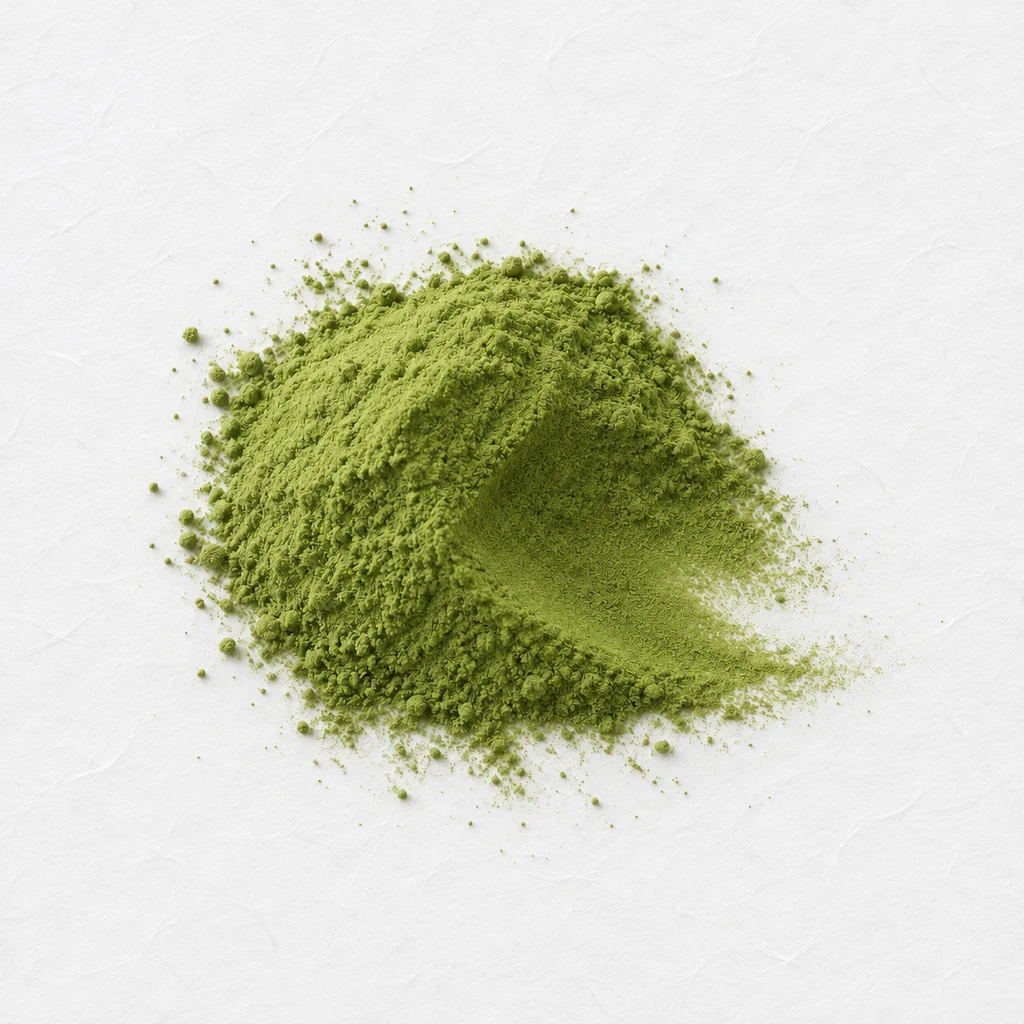
MATCHA
500gA$65Approx. 125 serves · A$0.52 / cup
Wholesale matcha for cafés in Australia
Made to bring out the best in every latte.
Grown in Vietnam. Processed and packed in Japan.

For everyday café service
Our 500g Café Pack makes approximately 125 lattes, based on 4g of matcha per serve.
Considering robi for your café?
Start with a 100g trial pack.
We’ll help you bring matcha to your café.
Concept
Milk, ice and syrup change the balance.
Traditionally, it is whisked with water and appreciated for its delicate aroma, umami and sweetness. Add milk, ice and syrup, and much of that nuance can disappear.
Yet cafés have continued to use ceremonial-grade matcha for lattes, often because there has been little choice designed specifically for the job.
As global demand grows, using ceremonial matcha in every latte also puts pressure on the tea best enjoyed where it belongs: in tea bowls, tea rooms and the traditions it was created for.
robi takes a different approach.
We make matcha specifically for cafés and lattes—developed around milk, colour, flavour and the realities of everyday café service.
TASTE NOTE
Smooth, balanced, and made for milk.
Designed to taste right in lattes.
Scores out of 5 Taste characteristics, not a quality ranking.
Cool nights, morning mist and shading before harvest all help retain umami and keep astringency low.
Seven harvests a year reduce reliance on any single season’s crop, helping cafés serve a consistent cup in March and October.
We develop our matcha so its umami remains, even when diluted with milk and ice.
Our colour is less intense than Japanese-grown matcha. We want to be open about that. Compare it in milk, rather than as a powder.
Protect the culture. Share the craft.
As Japan’s production of tencha, the leaves used to make matcha, struggles to keep pace with growing demand, tea producers from Shizuoka, one of Japan’s long-established tea regions, have found new possibilities in Vietnam.
In its mountain regions, warm days give way to cool nights. Year-round warmth and plentiful rainfall offer promising conditions for tea, and a place for Shizuoka’s knowledge to take root.
Why Vietnam?
Bao Loc, in Lam Dong province, sits on a plateau 850 metres above sea level. Known in Vietnam as the “capital of tea”, it is where our matcha is grown.
A tea factory built in 1927 still stands here, and the city’s tea is registered under the B’Lao tea trademark.
We found a place with a century of tea-making experience.
During the day, tea leaves produce amino acids, the source of umami. Warm nights cause the leaves to use them up. In Bao Loc, daytime temperatures of 27°C fall to 16°C before dawn. Those cooler nights help retain umami in the leaves.
For around 20 days before harvest, matcha tea gardens are covered to block sunlight and limit the shift from umami towards astringency. Bao Loc’s daily morning mist helps that work along.
In Japan, tea plants stop growing in winter. The spring harvest comes once a year; when that supply runs short, producers must wait until the following spring for the next spring crop.
Bao Loc has no winter cold enough to halt growth. With just 2.7°C between the warmest and coolest months, fresh shoots keep coming, allowing seven harvests a year.
In Bao Loc, Shizuoka’s tea producers found a combination of climate, land and growing conditions unavailable in Japan.
Bao Loc brought a century of tea-making.
Shizuoka brought the craft that underpins quality.
A matcha born where the two meet.
That is robi.
For your café
From your first 100g to your everyday latte.
Start with a free 100g trial set for cafés considering robi.
Set up your matcha service with a visit or an online session.
Order regularly for your everyday café service.
Ask about trial availability, delivery and support for your café.